
Discharge Hose
W Type Strip Seal Expansion Joint :
A bridge strip seal expansion joint is a type of expansion joint used in bridges and other structures to accommodate movement caused by temperature variations, seismic activity, and other factors. Expansion joints are crucial in preventing damage to structures by allowing controlled movement and absorbing the stresses generated.
| Type | Dimension | Anchoring Rod Type |
|---|---|---|
| a | W. 65x, H. 82x, T. 10 mm. | Anchoring Rod Loop Type |
| b | W. 65x, H. 82x, T. 10 mm. | Anchoring Rod Stud Type |
| c | W. 75x, H. 82x, T. 10 mm. | Anchoring Rod Loop Type |
| d | W. 75x, H. 82x, T. 10 mm. | Anchoring Rod Stud Type |
key components of W Type Strip seal Expansion Joint :
The strip seal expansion joint typically consists of steel edge profiles and a rubber or neoprene sealing element. Here's a breakdown of its key components:
- Steel Edge Profiles: These are usually two parallel steel edge profiles that run along the length of the joint on either side. These profiles provide support and guide for the movement of the joint.
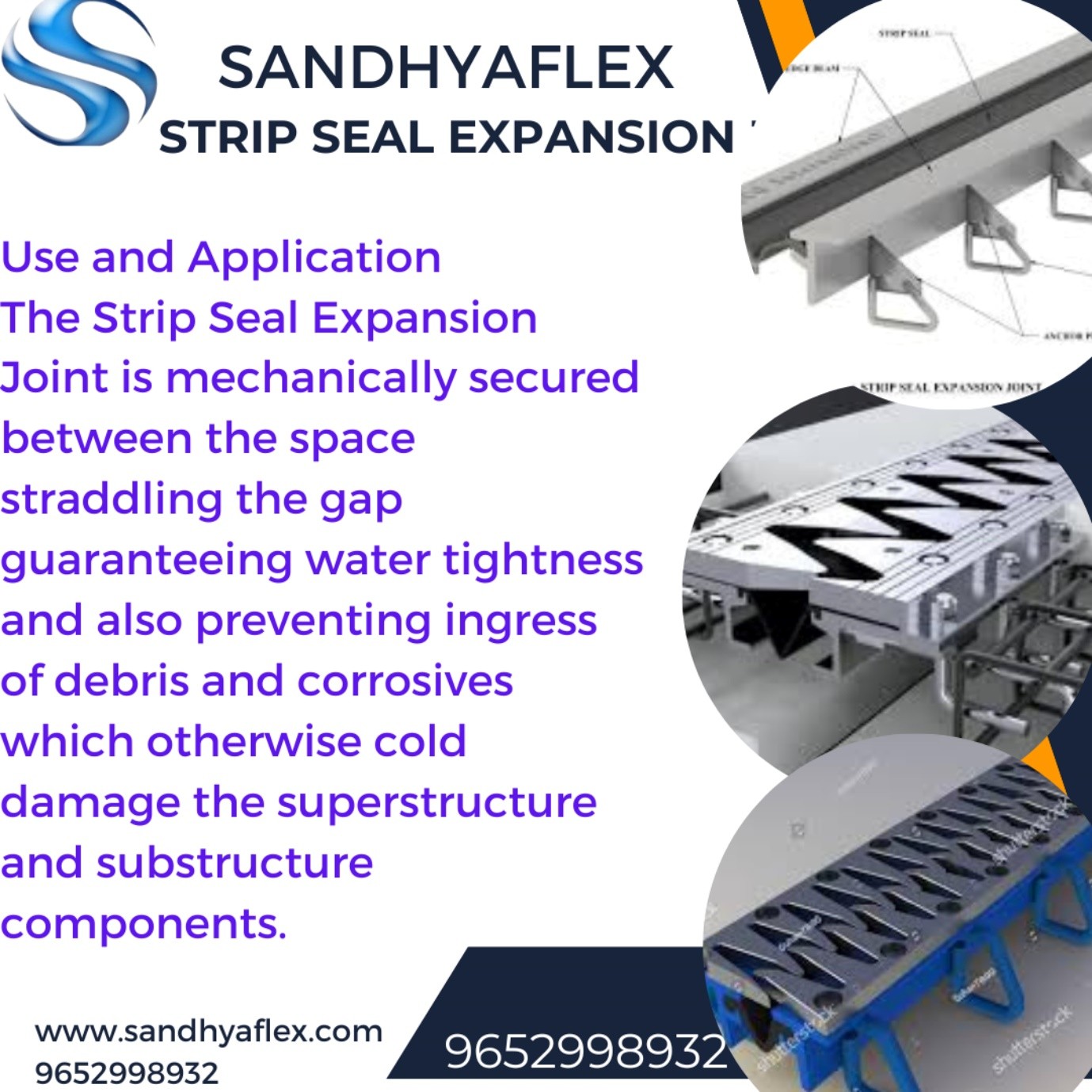

- Sealing Element: The sealing element is a flexible material, often made of rubber or neoprene. It is placed between the steel edge profiles and ensures a watertight seal while allowing for movement. This material should be durable, weather-resistant, and capable of accommodating various types of movement.
- Anchor Systems: The expansion joint is anchored to the bridge structure to prevent unintentional movement or displacement. Anchors are usually positioned at intervals along the length of the joint.
- Cover Plates: In some designs, cover plates may be used to protect the sealing element from debris, water, and other environmental factors. These plates can also provide a smoother surface for vehicles to traverse.
The strip seal expansion joint allows for both translational and rotational movement, providing flexibility for the structure during expansion and contraction. This movement helps to reduce stress on the bridge components and prevents potential damage that could occur if the expansion and contraction were restricted.
Regular inspection and maintenance of strip seal expansion joints are essential to ensure their effectiveness over time. Factors such as exposure to weather, traffic load, and other environmental conditions can impact the performance of the joint, so periodic checks are necessary to identify and address any issues.
| S.No | Description | HSN Code |
|---|---|---|
| "Strip Seal Expansion Joint" | ||
| 1 | W Type With Loop Type 16mm Dia Anchoring Rod size :75mmx82mmx10mm (WxDxT) Gap 40mm, 16mm Dia of Anchoring Rod, 10mm Thickness, LA 25x25x5mm with Rubber Strip seal Weight 32kg/Mtr Approx. | 7308 |
| 2 | W Type With Stud Type 16mm Dia Anchoring Rod size :75mmx82mm (WxD) Gap 40mm, 16mm Dia of Anchoring Rod, 10mm Thickness, LA 25x25x5mm with Rubber Strip seal Weight 33.5kg/Mtr Approx. | 7308 |
| 3 | W Type With Loop Type 16mm Dia Anchoring Rod size :65mmx82mmx10mm (WxDxT) Gap 40mm, 16mm Dia of Anchoring Rod, 10mm Thickness, LA 25x25x5mm with Rubber Strip seal Weight 29kg/Mtr Approx. | 7308 |
| 4 | W Type With Stud Type 16mm Dia Anchoring Rod size :65mmx82mm (WxD) Gap 40mm, 16mm Dia of Anchoring Rod, 10mm Thickness, LA 25x25x5mm with Rubber Strip seal Weight 30.5kg/Mtr Approx. | 7308 |
Advantages of W Type Strip Seal Expansion Joint :
Strip seal expansion joints offer several advantages, making them a popular choice for accommodating movement in bridges and other structures. Some of the key advantages include:
- Durability: Strip seal expansion joints are designed to withstand the rigors of heavy traffic loads, environmental conditions, and other factors. The materials used, such as steel and durable rubber or neoprene for the sealing element, contribute to the longevity of the joint.
- Watertight Seal: The rubber or neoprene sealing element provides an effective barrier against the infiltration of water, preventing corrosion and damage to the bridge structure. This watertight seal is crucial for maintaining the integrity of the bridge over time.
- Flexibility: Strip seal expansion joints allow for both translational and rotational movement. This flexibility accommodates various types of structural movements, such as expansion and contraction due to temperature changes, seismic activity, and other factors. The ability to handle different types of movement reduces stress on the bridge components.
- Smooth Surface: The design of strip seal expansion joints often includes cover plates, which not only protect the sealing element but also provide a smooth surface for vehicles to traverse. This feature contributes to a safer and more comfortable driving experience.
- Easy Installation and Replacement: Strip seal expansion joints are typically modular and can be installed or replaced relatively easily. This can reduce the time and cost associated with maintenance activities compared to more complex joint systems.
- Minimal Noise and Vibration: The flexibility of strip seal expansion joints helps absorb and distribute the forces generated by traffic loads, minimizing noise and vibration. This can contribute to a smoother and quieter ride for vehicles passing over the bridge.
- Adaptability to Various Conditions: Strip seal expansion joints can be designed to accommodate specific project requirements, including factors such as temperature differentials, seismic activity, and expected movement patterns. This adaptability makes them suitable for a wide range of bridge applications.
While strip seal expansion joints offer numerous advantages, it's essential to conduct regular inspections and maintenance to ensure their continued effectiveness. Over time, exposure to environmental conditions and heavy traffic can lead to wear and tear, making periodic checks crucial for identifying and addressing any issues promptly.
Features of W -Type Strip Seal Expansion Joint
Strip seal expansion joints possess several features that make them effective in accommodating movement and maintaining the integrity of bridge structures. Here are some key features of strip seal expansion joints:
- Modular Design: Strip seal expansion joints are often modular, making them easy to install, replace, or retrofit. This modular design simplifies maintenance activities and allows for quick repairs or adjustments.
- Steel Edge Profiles: The joint typically includes two parallel steel edge profiles that provide support and guidance for the movement of the joint. These profiles are durable and help maintain the structural integrity of the bridge.
- Sealing Element: The sealing element is a crucial component made of rubber or neoprene. This material is flexible, weather-resistant, and capable of accommodating various types of movement while maintaining a watertight seal.
- Translational and Rotational Movement: Strip seal expansion joints are designed to accommodate both translational and rotational movement. This flexibility allows the joint to respond to different types of structural movements, such as expansion and contraction due to temperature changes or seismic activity.
- Anchoring Systems: The expansion joint is anchored to the bridge structure at specified intervals. Anchors prevent unintentional movement or displacement, ensuring that the joint functions as intended.
- Cover Plates: Some designs include cover plates that protect the sealing element from debris, water, and other environmental factors. Cover plates also provide a smooth surface for vehicles to traverse, contributing to a safer and more comfortable driving experience.
- Corrosion Resistance: The use of steel in the edge profiles is often accompanied by corrosion-resistant coatings. This helps protect the steel components from the corrosive effects of weather and environmental conditions, extending the lifespan of the expansion joint.
- Adaptable to Temperature Changes: Strip seal expansion joints are designed to accommodate temperature differentials, allowing for expansion and contraction without placing excessive stress on the bridge structure. This feature is especially important in regions with significant temperature variations.
- Load Distribution: The flexibility of strip seal expansion joints allows them to absorb and distribute the forces generated by traffic loads. This helps minimize noise and vibration, contributing to a smoother and quieter ride for vehicles passing over the bridge.
- Customizable for Project Requirements: Strip seal expansion joints can be customized to meet specific project requirements, considering factors such as temperature variations, seismic activity, and expected movement patterns.
These features collectively make strip seal expansion joints a reliable choice for engineers and designers when planning for movement accommodation in bridge structures. Regular inspection and maintenance are essential to ensure that these features continue to function effectively over time.
Dimension of W Type Strip Seal Expansion Joint
The dimensions of strip seal expansion joints can vary based on factors such as the bridge's design, specifications, and the expected range of movement. However, I can provide a general idea of the typical dimensions of strip seal expansion joints:
- Width: The width of strip seal expansion joints can range from a few inches to several inches, depending on the specific design and project requirements. The width is influenced by factors such as the anticipated movement, the type of traffic the bridge will accommodate, and the overall bridge design.
- Length: Strip seal expansion joints are often installed along the length of the bridge at specified intervals. The length can vary based on the bridge's dimensions and the intended purpose of the expansion joint. Joints may cover several feet or meters to allow for sufficient movement.
- Thickness: The thickness of strip seal expansion joints is typically influenced by the materials used for the steel edge profiles and the sealing element. The steel profiles are designed to provide structural support, and the sealing element's thickness is determined by factors such as the anticipated movement and load-bearing requirements.
- Sealing Element Dimensions: The dimensions of the rubber or neoprene sealing element are critical to the joint's performance. The thickness and width of the sealing element determine its flexibility and ability to provide a watertight seal while accommodating movement.
- Clear Opening: The clear opening refers to the gap between the steel edge profiles when the expansion joint is in its neutral or uncompressed position. This dimension is crucial for allowing movement and preventing damage to the bridge structure during expansion and contraction.
It's important to note that the dimensions mentioned above are generalities, and the actual dimensions can vary based on the specific design specifications provided by the engineering team for a particular bridge project. Engineers and designers consider factors such as the type of bridge, traffic conditions, expected movements, and local regulations when determining the dimensions of strip seal expansion joints for a given application.
W Type Strip Seal Expansion Joint - Diagrams
